Buttery Homemade Croissants
Highlighted under: Sweet Moments
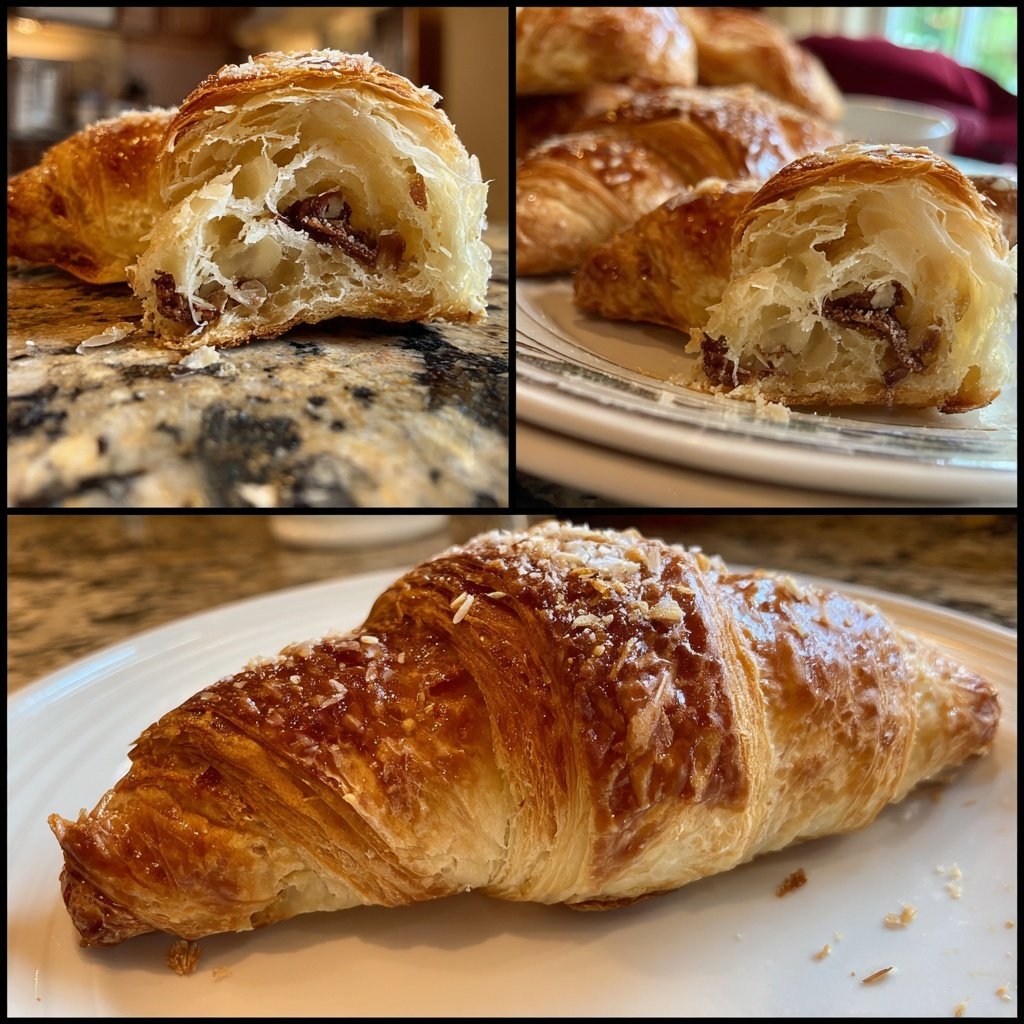
I’ve always been captivated by the art of baking, especially when it comes to creating flaky, buttery homemade croissants. The aroma fills the kitchen, drawing everyone in, and the first bite is pure bliss. This recipe has been a labor of love, involving careful layers of dough and butter that transform into golden, flaky perfection. I can assure you that the effort is worth every minute. Whether for breakfast or a special occasion, these croissants will impress anyone lucky enough to enjoy them.
During my quest for the perfect croissant recipe, I experimented with various butter amounts and folding techniques. I discovered that letting the dough rest is crucial, allowing the gluten to relax, which makes rolling easier. After countless tries, I finally crafted a method that yields incredibly flaky layers and a rich buttery taste. It took a few tries to find the right balance with the resting times, but the results are truly rewarding.
What I love most about making these croissants is the anticipation each time they're in the oven. Watching the dough transform into golden, airy pastries never gets old. Pair them with a homemade jam or even just a light spread of butter, and you’ll have a breakfast that feels like a treat. It's amazing how something so simple can elevate your morning routine!
Why You Will Love These Croissants
- Flaky layers that melt in your mouth
- Rich, buttery flavor that’s irresistible
- Perfect for breakfast, brunch, or snacks
Understanding the Dough
The key to achieving the perfect croissant starts with the dough itself. By mixing together high-quality all-purpose flour, sugar, salt, and yeast, you create a strong base that allows for easy folding and layering. Unlike regular bread dough, croissant dough requires careful handling to maintain its moisture and elasticity. Additionally, using warm milk helps activate the yeast more effectively, leading to a light, airy texture in the final product. Make sure to touch the dough frequently; it should feel soft but not sticky after kneading.
Resting the dough is crucial for gluten development. After kneading, wrap the dough tightly in plastic wrap and refrigerate it for at least 2 hours. This resting period not only makes it easier to roll out later but also enhances the flavor. I recommend preparing the dough the night before you intend to bake, allowing the flavors to deepen overnight. Just make sure to bring it back to room temperature before starting the rolling and folding process.
Layering for Success
The lamination process — where layers of dough and butter are created — is what gives croissants their signature flaky texture. When rolling out the dough to incorporate the butter, aim for a rectangle about 1/4 inch thick. This ensures even distribution of the butter; if the butter is too thick, it may not integrate properly, leading to uneven layers. Be sure your butter is firm but pliable. If it’s too soft, it will ooze out during baking, and if too cold, it will crack when you roll out the dough.
During the folding stages, it’s important to keep the temperature of your work area cool. Warm environments can cause the dough to rise too quickly and may result in a denser final product. If you notice that the butter starts to melt while rolling, take a break and return the dough to the fridge for a few minutes. This patience will ensure you get that incredible flaky texture that makes homemade croissants so irresistible.
Ingredients
Gather the following ingredients to get started:
Croissant Dough Ingredients
- 4 cups all-purpose flour
- 2 tablespoons sugar
- 1 tablespoon salt
- 1 packet active dry yeast (2 1/4 teaspoons)
- 1 1/4 cups unsalted butter, chilled
- 1 1/4 cups milk, warm
- 1 egg (for egg wash)
Make sure all ingredients are at the right temperature for the best results.
Instructions
Follow these steps to create your flaky croissants:
Prepare the Dough
In a large bowl, combine the flour, sugar, salt, and yeast. Gradually add the warm milk, mixing until a soft dough forms. Knead the dough for about 5 minutes until smooth, then wrap it in plastic wrap and let it chill in the refrigerator for at least 2 hours.
Incorporate the Butter
After chilling the dough, roll it out into a rectangle. Place the chilled butter in the center and fold the edges over the butter. Roll out the dough again into a larger rectangle and fold it into thirds. Refrigerate for 30 minutes. Repeat this rolling and folding process two more times, chilling between each fold.
Shape the Croissants
Roll the final dough into a large rectangle. Cut triangles and roll them from the base to the tip. Place the formed croissants on a baking sheet lined with parchment paper. Let them rise for about 1-2 hours until doubled in size.
Bake the Croissants
Preheat your oven to 400°F (200°C). Brush the croissants with the beaten egg for a golden finish. Bake for 15-20 minutes until golden brown and flaky. Allow them to cool slightly before serving.
Enjoy your homemade croissants fresh out of the oven!

Pro Tips
- For an extra touch of flavor, try adding a bit of almond extract to the dough. Also, ensure your butter is cold but pliable for the best lamination.
Storing and Freezing Croissants
Homemade croissants can be stored at room temperature in an airtight container for up to two days. However, if you want to savor them for longer, consider freezing them. After shaping the croissants but before their final rise, place them on a baking sheet lined with parchment paper and freeze until solid. Then, transfer them to a freezer-safe bag, and they will last for up to three months. When you're ready to bake, simply take out the desired number of croissants and let them rise for 1-2 hours at room temperature before baking.
For reheating, preheat your oven to 375°F (190°C) and bake the croissants from frozen for about 20-25 minutes. This method not only revives their flaky texture but also brings back that freshly baked aroma. I often set a timer and enjoy the smell wafting through my kitchen as they bake!
Common Troubleshooting Tips
If you find your croissants are not rising properly, it could be due to inactive yeast. Always check the expiration date on your yeast and ensure that you proof it in warm milk (around 100°F or 38°C) before mixing it into the dough. A successful proofing will create bubbles on the surface, indicating the yeast is active and ready to work its magic in the dough.
Another common issue could be that your croissants, while baked, lacked that desired flaky texture. This can occur if your butter was too warm during the rolling process or if the dough wasn't chilled adequately between folds. If you suspect this has happened, remember for the next batch: patience and cool temperatures are your best friends throughout the lamination process.
Variations and Serving Suggestions
While classic butter croissants are divine, consider filling them with a variety of delicious options. Try adding a piece of dark chocolate before rolling for a decadent treat, or a spoonful of almond paste for a nutty flair. You can even experiment with savory fillings, such as ham and cheese, for a delightful breakfast option that transforms your croissants into a full meal.
When serving, flaky croissants shine on their own, but pairing them with homemade jams, whipped cream, or even fresh fruits can elevate your brunch spread. A hint of sea salt sprinkled on the top before baking can deepen the flavors, making your homemade croissants even more irresistible. Enjoy them fresh out of the oven with a cup of coffee for the ultimate indulgence!
Questions About Recipes
→ Can I make the dough ahead of time?
Yes, you can prepare the dough and freeze it after the initial rise. Thaw it overnight in the fridge before shaping.
→ What type of butter is best for croissants?
Use high-quality unsalted butter for the best flavor and performance during lamination.
→ How do I know when the croissants are done baking?
They should be golden brown and sound hollow when tapped on the bottom.
→ Can I fill the croissants with chocolate or almond paste?
Absolutely! Just place a small amount of your chosen filling at the base of the triangle before rolling.
Buttery Homemade Croissants
Created by: Isla Turner
Recipe Type: Sweet Moments
Skill Level: Intermediate
Final Quantity: 12 croissants
What You'll Need
Croissant Dough Ingredients
- 4 cups all-purpose flour
- 2 tablespoons sugar
- 1 tablespoon salt
- 1 packet active dry yeast (2 1/4 teaspoons)
- 1 1/4 cups unsalted butter, chilled
- 1 1/4 cups milk, warm
- 1 egg (for egg wash)
How-To Steps
In a large bowl, combine the flour, sugar, salt, and yeast. Gradually add the warm milk, mixing until a soft dough forms. Knead the dough for about 5 minutes until smooth, then wrap it in plastic wrap and let it chill in the refrigerator for at least 2 hours.
After chilling the dough, roll it out into a rectangle. Place the chilled butter in the center and fold the edges over the butter. Roll out the dough again into a larger rectangle and fold it into thirds. Refrigerate for 30 minutes. Repeat this rolling and folding process two more times, chilling between each fold.
Roll the final dough into a large rectangle. Cut triangles and roll them from the base to the tip. Place the formed croissants on a baking sheet lined with parchment paper. Let them rise for about 1-2 hours until doubled in size.
Preheat your oven to 400°F (200°C). Brush the croissants with the beaten egg for a golden finish. Bake for 15-20 minutes until golden brown and flaky. Allow them to cool slightly before serving.
Extra Tips
- For an extra touch of flavor, try adding a bit of almond extract to the dough. Also, ensure your butter is cold but pliable for the best lamination.
Nutritional Breakdown (Per Serving)
- Calories: 200 kcal
- Total Fat: 12g
- Saturated Fat: 7g
- Cholesterol: 30mg
- Sodium: 150mg
- Total Carbohydrates: 20g
- Dietary Fiber: 1g
- Sugars: 2g
- Protein: 4g