Buttery Homemade Croissants
Highlighted under: Sweet Moments
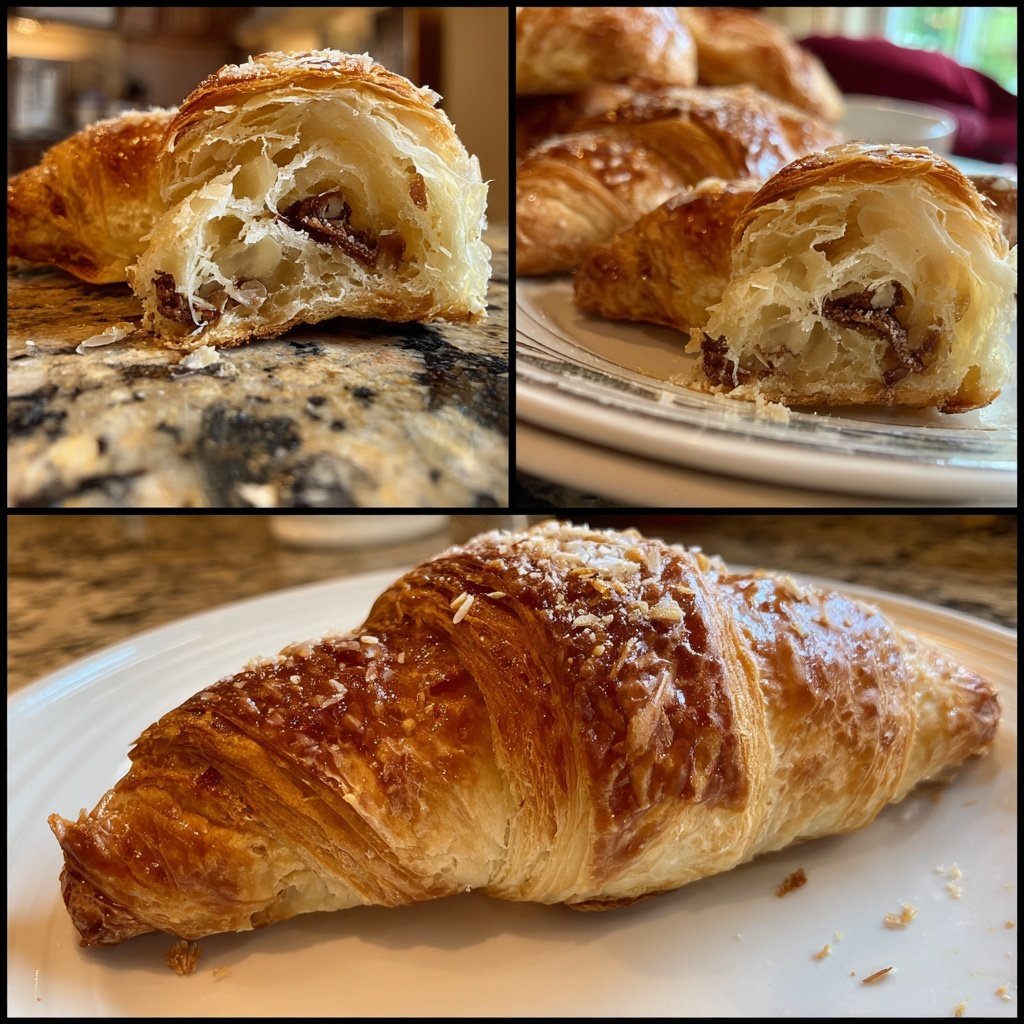
I never knew the joy of a fresh, flaky croissant until I tried making them myself at home. The process may seem intimidating, but once you get the hang of it, it becomes a delightful ritual. The key to these buttery beauties is the layering of dough and butter, creating those signature flaky layers. I love serving them warm out of the oven, with a little jam or even just plain—they're simply irresistible. Join me in discovering the satisfying journey to perfect homemade croissants that you'll want to recreate time and again.
When I first attempted making croissants, I was surprised at how therapeutic the process could be. I remember watching the dough transform as I folded in the butter, creating layers that would bake into a crispy, airy delight. It’s essential to keep everything cool—especially the dough—so I often pop it back into the fridge during the folding process.
After several tries, I figured out that the secret to a perfect croissant lies in patience. Allowing the dough to rise properly makes all the difference. I also learned that using high-quality butter elevates the flavor significantly. Each bite is a testament to love and effort; you won’t regret it!
Why You'll Love These Croissants
- Incredible buttery flavor that will take your breakfast to the next level
- Flaky and airy texture that melts in your mouth
- Perfect for brunch gatherings or as a comforting snack
Perfecting the Dough
The dough is the heart of croissants, and getting it right is essential for achieving a light and flaky texture. Make sure your warm milk is between 100°F to 110°F (38°C to 43°C) when you mix it with the dry ingredients. This temperature activates the instant yeast, allowing the dough to rise effectively. Over-kneading can lead to tough croissants, so knead gently until the dough is smooth and elastic, about 5-7 minutes. Look for a soft, slightly tacky consistency that springs back when poked.
Once the dough has risen, it should have doubled in size. A good indicator is when it puffs up and makes an impression if you gently poke it. To maintain the right temperature for rising, consider placing it in a warm, draft-free area. Using a covered bowl in an oven that has been warmed for a few minutes (but turned off) can create the ideal environment for your croissant dough.
The Layering Technique
Creating the butter layer is a vital step for achieving those iconic flaky layers in your croissants. Make sure the cold butter is pliable but still firm; you shouldn’t see it melting when you pound it out. If your butter is too soft, it can leak out during rolling, leading to dense croissants. Aim for a rectangle that is about 1/2 inch thick, as this size allows for optimal layering without overwhelming the dough. Refrigerating the butter while the dough rises helps it retain its shape during incorporation.
During the lamination process, rolling and folding the dough is crucial. Each fold adds layers, yielding a higher rise. Aim for at least three folds, ensuring you wrap the butter completely to avoid leaks. If the dough starts to resist or spring back, allow it to rest for about 10-15 minutes before continuing. This resting phase relaxes the gluten, making it easier to roll out while maintaining structure.
Ingredients
Ingredients
For the Croissant Dough
- 4 cups all-purpose flour
- 1/4 cup granulated sugar
- 2 tsp salt
- 1 tbsp instant yeast
- 1 1/4 cups whole milk, warm
- 1 1/4 cups unsalted butter, cold, divided
For Egg Wash
- 1 egg
- 1 tbsp milk
Instructions
Instructions
Prepare the Dough
In a large bowl, mix the flour, sugar, salt, and yeast. Gradually add the warm milk, stirring until a soft dough forms. Knead for 5-7 minutes. Shape into a ball, cover, and let rise in a warm place for about 1 hour, or until doubled in size.
Create the Butter Layer
Take 1 cup of cold butter and place it between two sheets of parchment paper. Use a rolling pin to pound it into a rectangle approximately 1/2 inch thick. Refrigerate the butter layer while the dough rises.
Incorporate Butter into Dough
Roll out the risen dough on a floured surface into a larger rectangle. Place the chilled butter in the center, fold the dough over it, and seal the edges. Roll it out again into a rectangle, then fold it into thirds. Repeat this process two more times, refrigerating the dough in between.
Shape Croissants
Roll the final dough into a larger rectangle and cut it into triangles. Starting from the wide end, roll each triangle to form a croissant. Place them on baking sheets lined with parchment paper and let them rise for another hour.
Bake
Preheat the oven to 400°F (200°C). Whisk together the egg and milk for the egg wash, and brush the mixture over each croissant. Bake for 15-20 minutes or until golden brown. Enjoy warm!

Pro Tips
- For best results, use high-quality, unsalted butter. Ensuring your ingredients are cold during the process will also help achieve that perfect flaky texture.
Egg Wash Essentials
The egg wash serves not only to enhance the beautiful golden hue of your croissants but also creates a slight sheen that elevates their appearance. To prepare, whisk together one egg with a tablespoon of milk until well combined. This ratio helps achieve the perfect consistency for brushing. Apply the wash gently using a pastry brush, ensuring even coverage without over-saturating the dough, which could affect the baking process.
For a richer flavor, you can substitute the milk in the egg wash with cream, which will yield an even more decadent finish. However, ensure you don’t use a thick layer, as it can create a soggy crust. The croissants should be baked until they are a deep golden brown, which typically takes about 15-20 minutes at 400°F (200°C).
Storage and Reheating Tips
Homemade croissants are best enjoyed fresh out of the oven, but if you have leftovers, proper storage is key. Allow the croissants to cool to room temperature before storing them in an airtight container at room temperature for up to two days. For longer storage, consider freezing them right after they’ve cooled. Place them in a single layer in a freezer-safe bag or container, and they can last for up to three months.
When you're ready to enjoy frozen croissants, simply take them out and let them thaw overnight in the refrigerator. To refresh their texture, reheat them in a preheated oven at 350°F (175°C) for about 10-15 minutes or until warmed through. This method will restore their flakiness, making them feel freshly baked even after freezing.
Questions About Recipes
→ Can I freeze croissants?
Absolutely! You can freeze the shaped, unbaked croissants, then bake them directly from the freezer, adding a few extra minutes to the baking time.
→ Why is my croissant dough tough?
A tough dough could be due to overworking the gluten or not enough moisture. Always ensure to handle the dough gently.
→ How do I know when my croissants are done?
Croissants are done when they are golden brown on the outside and sound hollow when you tap the bottom.
→ Can I make these croissants vegan?
Yes! You can substitute the butter with a vegan alternative and the milk with almond or oat milk for a delicious vegan version.
Buttery Homemade Croissants
Created by: Isla Turner
Recipe Type: Sweet Moments
Skill Level: Intermediate
Final Quantity: 12 croissants
What You'll Need
For the Croissant Dough
- 4 cups all-purpose flour
- 1/4 cup granulated sugar
- 2 tsp salt
- 1 tbsp instant yeast
- 1 1/4 cups whole milk, warm
- 1 1/4 cups unsalted butter, cold, divided
For Egg Wash
- 1 egg
- 1 tbsp milk
How-To Steps
In a large bowl, mix the flour, sugar, salt, and yeast. Gradually add the warm milk, stirring until a soft dough forms. Knead for 5-7 minutes. Shape into a ball, cover, and let rise in a warm place for about 1 hour, or until doubled in size.
Take 1 cup of cold butter and place it between two sheets of parchment paper. Use a rolling pin to pound it into a rectangle approximately 1/2 inch thick. Refrigerate the butter layer while the dough rises.
Roll out the risen dough on a floured surface into a larger rectangle. Place the chilled butter in the center, fold the dough over it, and seal the edges. Roll it out again into a rectangle, then fold it into thirds. Repeat this process two more times, refrigerating the dough in between.
Roll the final dough into a larger rectangle and cut it into triangles. Starting from the wide end, roll each triangle to form a croissant. Place them on baking sheets lined with parchment paper and let them rise for another hour.
Preheat the oven to 400°F (200°C). Whisk together the egg and milk for the egg wash, and brush the mixture over each croissant. Bake for 15-20 minutes or until golden brown. Enjoy warm!
Extra Tips
- For best results, use high-quality, unsalted butter. Ensuring your ingredients are cold during the process will also help achieve that perfect flaky texture.
Nutritional Breakdown (Per Serving)
- Calories: 300 kcal
- Total Fat: 20g
- Saturated Fat: 12g
- Cholesterol: 60mg
- Sodium: 100mg
- Total Carbohydrates: 28g
- Dietary Fiber: 1g
- Sugars: 6g
- Protein: 5g