Seasonal & Festive Thanksgiving Herb Stuffed Turkey
Highlighted under: Festive Moments in Food
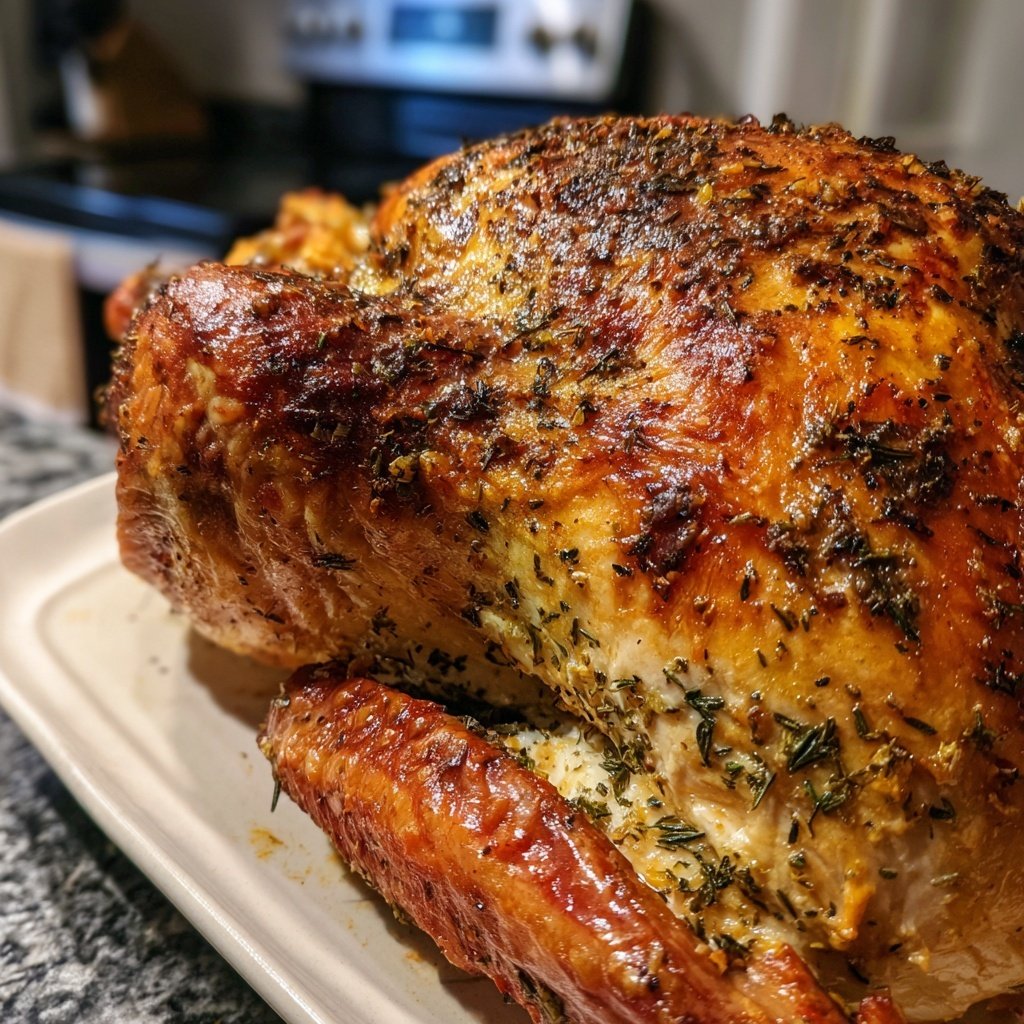
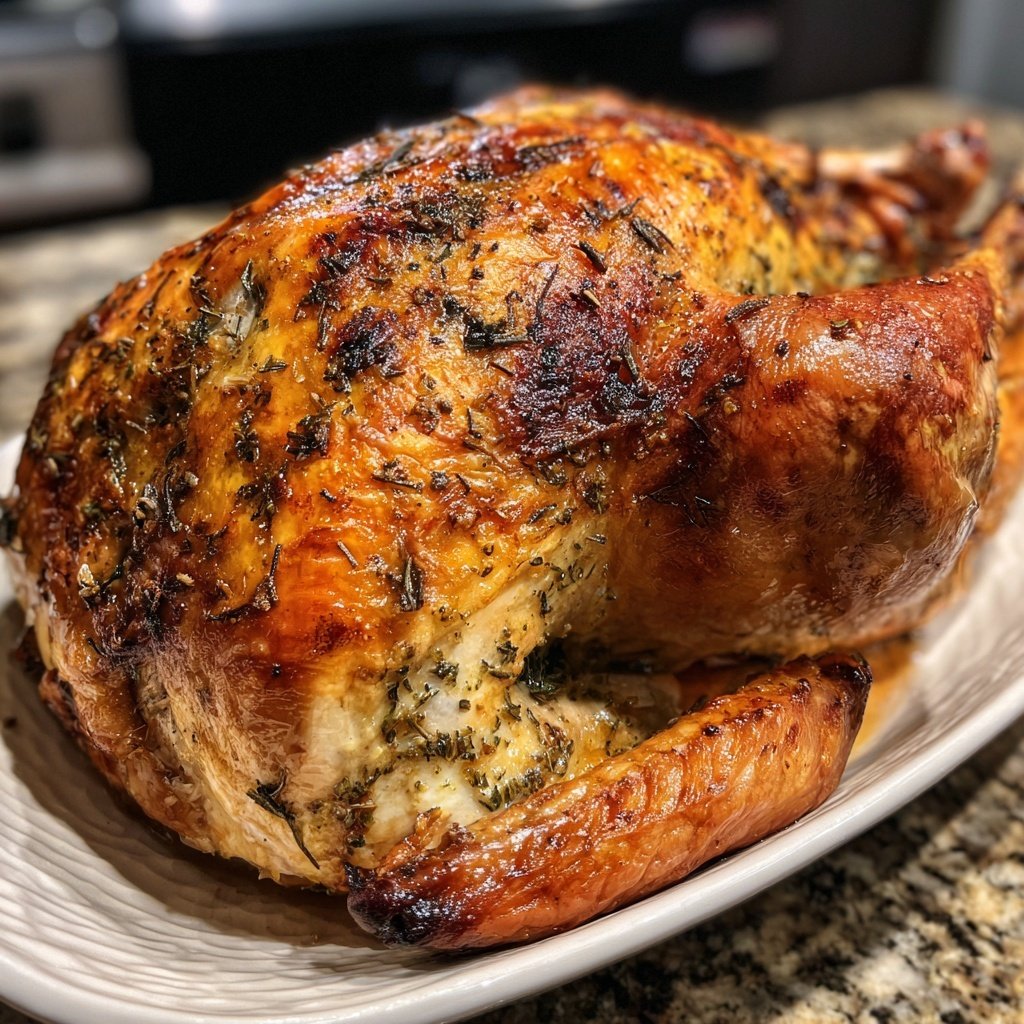
I absolutely love preparing a herb stuffed turkey for Thanksgiving; it's a cherished family tradition, and I enjoy every moment of the cooking process. The combination of fresh herbs and savory stuffing elevates the turkey to a new level—juicy, flavorful, and simply mouthwatering. As the wonderful aroma fills the house, it truly embodies the spirit of the season. This recipe is designed for both seasoned cooks and beginners, ensuring everyone can bring this delightful centerpiece to their holiday table.
When I first attempted making a herb stuffed turkey, I was a bit intimidated by the process. However, once I got the hang of it, I discovered how rewarding it is to create something so flavorful and special. The stuffing incorporates a wonderful mixture of herbs like thyme, sage, and rosemary, which balance perfectly with the rich flavor of the turkey. A tip I learned is to let the turkey rest after roasting, which keeps it tender and juicy.
Throughout the years, I’ve experimented with different stuffing recipes, but this traditional herb mixture never fails to impress. Each year, my family looks forward to the feast, and I love sharing this dish with friends and new guests. It has become a staple of our holiday celebrations, and the memories made around the dinner table are the true highlight of the season.
Why You'll Love This Recipe
- Bursting with the aroma of fresh herbs that compliments the turkey beautifully
- Tasty stuffing that creates a harmonious blend of flavors with every bite
- A classic dish that brings family and friends together for the holidays
The Importance of Fresh Herbs
Using fresh herbs in the stuffing not only enhances the turkey's flavor but also adds vibrant notes that make every bite exciting. Fresh parsley, sage, thyme, and rosemary each contribute unique characteristics, ensuring that the flavor profile is rich and well-rounded. If you can’t find fresh herbs, you can use dried ones, but remember that dried herbs are more potent—use about one-third of the amount called for with fresh herbs.
When incorporating these herbs into your stuffing, chop them finely to release their essential oils, which leads to a more intense flavor. This technique ensures that the herbs are evenly distributed and that their flavors permeate the stuffing. If you're after a stronger herbal taste, consider adding a touch of garlic or a squeeze of lemon juice to brighten the overall profile.
Perfecting Your Stuffing Technique
To achieve a moist stuffing, balancing the amount of bread with the liquid is crucial. Ensure the bread cubes are slightly stale, as fresh bread can lead to a mushy stuffing. If you find your stuffing too dry during preparation, add small increments of additional broth sparingly until it reaches the desired moisture level. Always taste for seasoning—adjust the salt and pepper according to your preference before stuffing the turkey.
When stuffing the turkey, avoid overpacking it. Stuffing expands as it cooks; too-tight packing can lead to uneven cooking and a soggy center. A loosely filled cavity allows the steam to help cook the stuffing while also ensuring that the turkey remains juicy and the skin turns golden brown.
Serving and Storing Tips
After carving the turkey, serve it with the stuffing on the side to allow guests to control their portions. Pair this dish with traditional Thanksgiving sides like cranberry sauce, mashed potatoes, and green bean casserole for a festive meal. The leftover turkey is great for sandwiches or salads; it stays moist and flavorful even after a few days in the refrigerator.
Storing leftover stuffing can be done by refrigerating it in an airtight container for up to three days or freezing it for longer storage—up to a month. If you freeze it, reheat it in the oven at 350°F (175°C) until warmed through, ensuring you add a splash of broth to regain moisture. This way, the delightful flavors of this herb-filled stuffing can be enjoyed beyond Thanksgiving!
Ingredients
Gather the following ingredients to make your herb stuffed turkey:
Herb Stuffing Ingredients
- 1 cup chopped onions
- 1 cup chopped celery
- 1 cup chopped fresh parsley
- 2 tablespoons chopped fresh sage
- 2 tablespoons chopped fresh thyme
- 2 tablespoons chopped fresh rosemary
- 8 cups stale bread cubes
- 1 cup chicken broth
- Salt and pepper to taste
Turkey Ingredients
- 1 whole turkey (12-14 lbs)
- 4 tablespoons unsalted butter, softened
- Salt and pepper to taste
- Additional herbs for garnish (optional)
Ensure all ingredients are fresh to enhance the flavor of your turkey!
Instructions
Follow these steps to prepare and roast your herb stuffed turkey:
Prepare the Stuffing
In a large skillet, melt the butter over medium heat. Add the onions and celery, and sauté until softened, about 5 minutes. Stir in the parsley, sage, thyme, and rosemary, cooking for an additional minute. In a large bowl, combine the bread cubes, sautéed vegetables, and chicken broth. Season with salt and pepper as desired.
Stuff the Turkey
Preheat your oven to 325°F (165°C). Rinse the turkey inside and out, pat dry with paper towels, and season generously with salt and pepper. Carefully spoon the stuffing into the turkey cavity. Do not pack it too tightly, as it will expand as it cooks.
Roast the Turkey
Place the turkey breast side up on a roasting rack in a roasting pan. Rub softened butter all over the turkey. Roast in the preheated oven for about 3 hours, or until the internal temperature reaches 165°F (74°C). Baste occasionally with pan juices for extra flavor.
Let It Rest
Once cooked, remove the turkey from the oven and cover loosely with foil. Allow it to rest for at least 20-30 minutes before carving. This resting period ensures that the juices redistribute and the meat stays moist.
Enjoy your delicious herb stuffed turkey!
Pro Tips
- For a deeper flavor, try adding a splash of white wine to the stuffing mixture. You can also experiment with gluten-free bread for a healthier twist.
Ingredient Substitutions
If you find yourself short on specific herbs, experiment with what you have on hand. For instance, dill or tarragon can provide interesting flavor variations in your stuffing. If you don't have stale bread, you can easily dry fresh bread in the oven at 300°F (150°C) for about 15-20 minutes, just until it's firm and slightly golden. Additionally, for a gluten-free option, use gluten-free bread cubes in place of traditional bread.
For the turkey itself, if you prefer a leaner option, consider using a poussin or cornish hen, which can still be stuffed with this delicious herb mixture. Remember to adjust the cooking time accordingly; these smaller birds typically require less cooking time.
Troubleshooting Common Issues
If your turkey is browning too quickly during roasting, loosely tent it with foil to prevent the skin from burning while the meat continues to cook through. This strategy helps achieve a lovely golden skin without sacrificing moisture or flavor. Alternatively, if the turkey appears undercooked, you can continue roasting while covering the exposed areas, allowing for even cooking without further browning.
A frequent concern is dry turkey meat, which can stem from overcooking. To avoid this, always use a meat thermometer; a temperature of 165°F (74°C) in the thickest part of the breast ensures juiciness without compromising safety. Allowing the turkey to rest after roasting is equally important, as this redistributes the juices, leading to tender slices when you carve it.
Questions About Recipes
→ Can I prepare the stuffing ahead of time?
Yes, you can prepare the stuffing a day in advance and refrigerate it. Just make sure to let it come to room temperature before stuffing the turkey.
→ What if I don’t have fresh herbs?
If you don’t have fresh herbs, you can use dried herbs. Use about a third of the amount, as dried herbs are more potent.
→ How do I know when the turkey is done?
The turkey is done when the internal temperature reaches 165°F (74°C) at the thickest part of the thigh. A meat thermometer is the best tool for accuracy.
→ Can I use a frozen turkey?
Yes, just make sure to thaw it completely in the refrigerator before cooking, which can take several days depending on the size.
Seasonal & Festive Thanksgiving Herb Stuffed Turkey
Created by: Isla Turner
Recipe Type: Festive Moments in Food
Skill Level: Intermediate
Final Quantity: 12 servings
What You'll Need
Herb Stuffing Ingredients
- 1 cup chopped onions
- 1 cup chopped celery
- 1 cup chopped fresh parsley
- 2 tablespoons chopped fresh sage
- 2 tablespoons chopped fresh thyme
- 2 tablespoons chopped fresh rosemary
- 8 cups stale bread cubes
- 1 cup chicken broth
- Salt and pepper to taste
Turkey Ingredients
- 1 whole turkey (12-14 lbs)
- 4 tablespoons unsalted butter, softened
- Salt and pepper to taste
- Additional herbs for garnish (optional)
How-To Steps
In a large skillet, melt the butter over medium heat. Add the onions and celery, and sauté until softened, about 5 minutes. Stir in the parsley, sage, thyme, and rosemary, cooking for an additional minute. In a large bowl, combine the bread cubes, sautéed vegetables, and chicken broth. Season with salt and pepper as desired.
Preheat your oven to 325°F (165°C). Rinse the turkey inside and out, pat dry with paper towels, and season generously with salt and pepper. Carefully spoon the stuffing into the turkey cavity. Do not pack it too tightly, as it will expand as it cooks.
Place the turkey breast side up on a roasting rack in a roasting pan. Rub softened butter all over the turkey. Roast in the preheated oven for about 3 hours, or until the internal temperature reaches 165°F (74°C). Baste occasionally with pan juices for extra flavor.
Once cooked, remove the turkey from the oven and cover loosely with foil. Allow it to rest for at least 20-30 minutes before carving. This resting period ensures that the juices redistribute and the meat stays moist.
Extra Tips
- For a deeper flavor, try adding a splash of white wine to the stuffing mixture. You can also experiment with gluten-free bread for a healthier twist.
Nutritional Breakdown (Per Serving)
- Calories: 450 kcal
- Total Fat: 25g
- Saturated Fat: 10g
- Cholesterol: 110mg
- Sodium: 750mg
- Total Carbohydrates: 15g
- Dietary Fiber: 2g
- Sugars: 3g
- Protein: 30g