Vanilla Cake With Butter Frosting
Highlighted under: Sweet Moments
I absolutely love baking desserts, and there’s something incredibly comforting about a classic vanilla cake with butter frosting. The rich flavors blend beautifully, creating a sweet treat that’s perfect for any occasion. Whether it’s a birthday, celebration, or just a cozy weekend, this cake never fails to impress. I find joy in every step of the process, from creaming the butter until it's light and fluffy to applying that luscious frosting. It truly brings warmth and happiness to my kitchen.
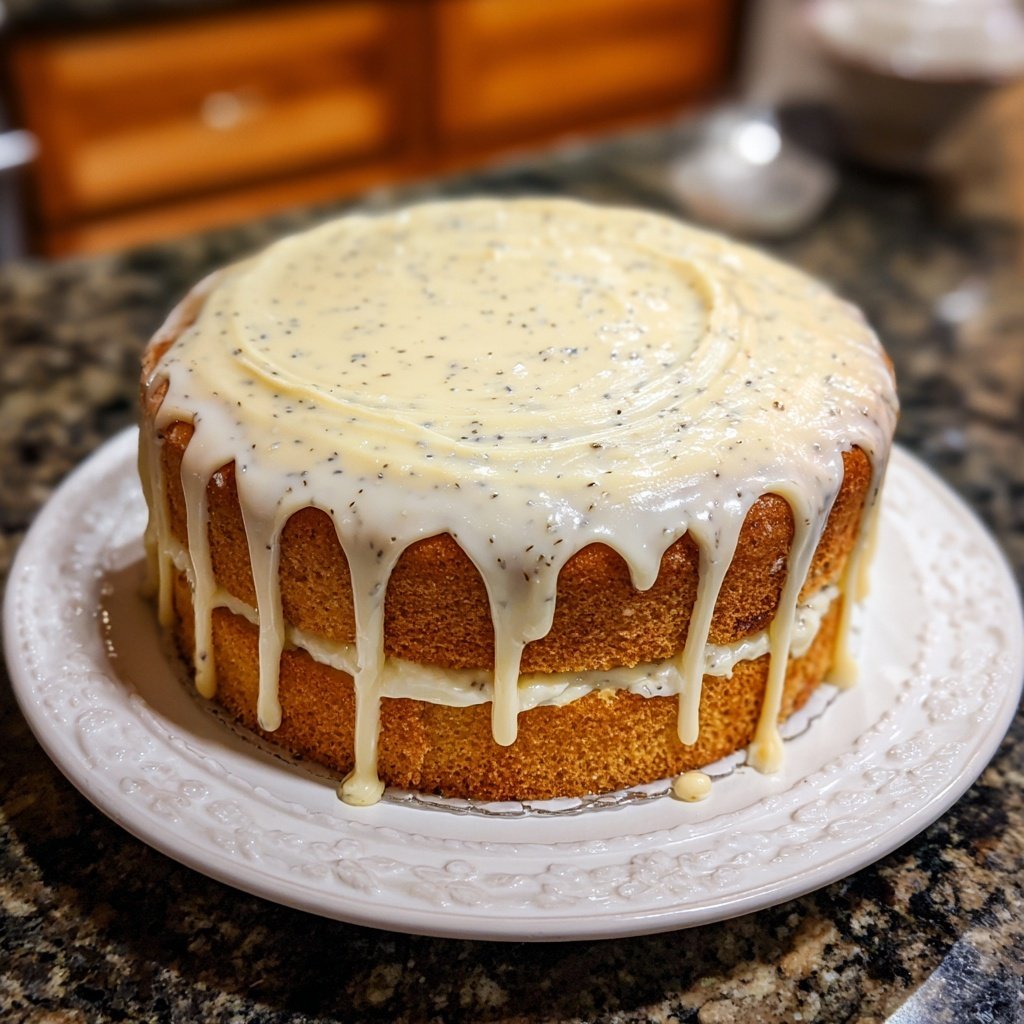
One time, I decided to host a gathering with friends, and I wanted to bake something that would not only taste amazing but also look beautiful on the table. After a few experiments, I concluded that nothing beats a classic vanilla cake. It’s simple yet elegant, and each slice is filled with flavor. Plus, the butter frosting adds just the right amount of sweetness!
To elevate the taste, I use real vanilla extract, which truly enhances the aromatic profile of the cake. It’s a nostalgic recipe that I believe everyone should try at least once. The trick is to ensure your ingredients are at room temperature; it makes a world of difference in texture!
Why You'll Love This Cake
- Delicate vanilla flavor that shines through every bite
- Light and fluffy texture that is simply irresistible
- Beautifully fluffy butter frosting that adds a perfect touch
Perfecting the Texture
Achieving a light and fluffy texture in your vanilla cake relies on proper creaming of the butter and sugar. This process should take about 3-5 minutes on medium speed, ensuring the mixture becomes pale and airy. If the mixture is not well-creamed, your cake may turn out dense instead of light. Remember, the butter should be softened but not melted; the right consistency allows for ample air incorporation during this step.
Another key aspect is the way you combine the dry and wet ingredients. Avoid overmixing when you add the flour mixture to the wet ingredients; mixing just until combined helps retain that fluffy texture. Overmixing can activate the gluten in the flour, leading to a tougher cake. You’re looking for a smooth but slightly lumpy batter; this is a good indication that you’ve mixed just the right amount.
Frosting Like a Pro
The texture of your butter frosting can make or break your cake presentation. For a creamy and spreadable frosting, ensure your butter is at room temperature—about 65°F (18°C). If you find your frosting is too stiff, add a tablespoon of heavy cream or milk at a time until you achieve the desired consistency. Conversely, if your frosting is too runny, gradually add more powdered sugar until thickened.
When decorating your cake, I recommend using an offset spatula for smooth and even application. Start by applying a thin crumb coat—this is a layer of frosting that seals in crumbs. Chill the cake for about 20 minutes, then apply a thicker final layer of frosting. This technique not only gives a professional finish but helps achieve clean edges and a beautifully frosted top.
Storage and Serving Suggestions
If you need to prepare the cake in advance, it can be baked and stored at room temperature for up to 2 days. Just be sure to wrap it in plastic wrap to maintain moisture. For longer storage, you can freeze the cake layers, wrapping them tightly in foil or plastic wrap and placing them in an airtight container, where they can last for up to 3 months. Simply allow them to thaw at room temperature before frosting.
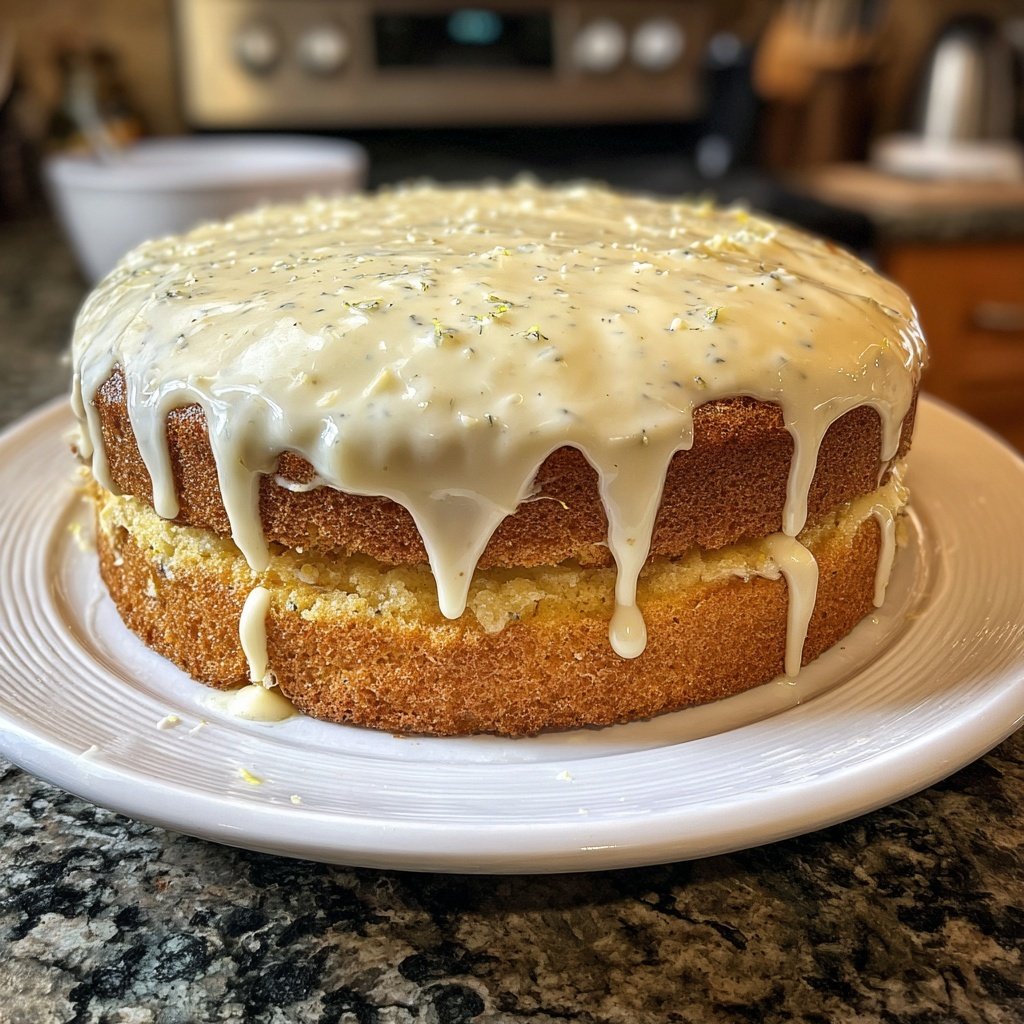
As for serving, this vanilla cake pairs beautifully with fresh berries or a scoop of vanilla ice cream for an elevated dessert experience. You can also experiment by adding a layer of fruit preserves between the cake and frosting or infusing your butter icing with citrus zest. Each variation can add a delightful twist to this classic recipe.
Ingredients:
For the Cake:
- 2 cups all-purpose flour
- 1 ½ cups granulated sugar
- ½ cup unsalted butter, softened
- 1 cup whole milk
- 3 ½ teaspoons baking powder
- 1 teaspoon vanilla extract
- ½ teaspoon salt
- 4 large eggs
For the Butter Frosting:
- 1 cup unsalted butter, softened
- 4 cups powdered sugar
- 2 teaspoons vanilla extract
- 2 tablespoons heavy cream or milk
- A pinch of salt
Instructions:
Preheat and Prepare
Preheat your oven to 350°F (175°C). Grease and flour two 9-inch round cake pans.
Mix Dry Ingredients
In a large bowl, whisk together the flour, baking powder, and salt.
Cream Butter and Sugar
In another bowl, beat the softened butter and granulated sugar until light and fluffy.
Add Eggs and Milk
Add eggs and milk to the butter-sugar mixture, followed by the vanilla extract, and mix until well combined.
Combine Mixtures
Gradually add the dry ingredients to the wet mixture, mixing just until combined.
Bake the Cakes
Pour the batter evenly into the prepared pans and bake for 30 minutes or until a toothpick inserted into the center comes out clean.
Cool the Cakes
Allow the cakes to cool in the pans for 10 minutes before transferring them to wire racks to cool completely.
Prepare the Butter Frosting
In a bowl, beat the softened butter until creamy. Gradually add the powdered sugar, mixing well, then add vanilla and cream until the frosting reaches a spreadable consistency.
Assemble the Cake
Once the cakes are completely cool, spread a layer of frosting between the two layers, then frost the top and sides of the cake.
Serve and Enjoy
Slice the cake and serve it to your delighted guests!
Pro Tips
- For added flavor, consider adding lemon zest to the frosting for a surprising twist. Adjust the consistency of the frosting by adding more cream or powdered sugar as needed.
Ingredient Insights
The star ingredient in this cake is the vanilla extract, which provides a warm, comforting flavor. Opt for pure vanilla extract rather than imitation for the best taste—around 1 teaspoon will suffice for this recipe. Additionally, the quality of your butter matters; using unsalted butter allows for better control over the sweetness and saltiness of the cake, providing a balanced flavor profile.
Whole milk is another essential component that contributes to the moistness of your cake. If needed, you can substitute with buttermilk for a slightly tangy flavor that complements the sweetness. If you're looking for a dairy-free option, use almond or coconut milk, but be aware that this may slightly alter the flavor and texture of your cake.
Common Troubleshooting Tips
If your cake domes excessively in the center or sinks, this can be due to the oven temperature being too high. Make sure to use an oven thermometer to check the accuracy, as many home ovens can be off by as much as 25°F. Another reason could be that the leavening agents were not evenly distributed; ensure that you whisk the dry ingredients well before incorporating them into the wet mixture.
For a cake that sticks to the pan despite greasing, try dusting the floured pan with a little bit of granulated sugar in place of flour. This adds a sweet crust that helps with release and enhances flavor. If you experience any cracks on the surface, this is often a sign of overbaking, so keep an eye on those final minutes in the oven; start checking for doneness a few minutes before the recommended baking time.
Scaling the Recipe
If you're looking to scale this recipe for a larger crowd, you can easily double the ingredients to make a four-layer cake. Just be sure to adjust the baking time for each layer; they may take longer to bake in thicker pans. It's helpful to use a kitchen scale for precise measurements, especially when doubling the powdered sugar for the frosting, as it can be easy to overlook measurements.
Alternatively, if you're cooking for fewer people, you can halve the recipe to yield a smaller cake. Use smaller round cake pans or convert the mixture into cupcakes! Just fill each cupcake liner about two-thirds full and bake for about 18-22 minutes. This provides a fun twist and allows you to share individual servings with friends and family.
Questions About Recipes
→ Can I make this cake in advance?
Yes, you can bake the cakes a day in advance and store them tightly wrapped in plastic wrap at room temperature. Frost on the day of serving for the best results.
→ What can I substitute for eggs?
You can use applesauce or a flaxseed meal mixed with water as egg substitutes, though the texture might differ slightly.
→ Can I use margarine instead of butter?
Yes, margarine can be used, but keep in mind that it may slightly change the flavor and texture of the cake.
→ How should I store leftovers?
Store leftover cake in an airtight container at room temperature for up to 3 days, or refrigerate for longer freshness.
Vanilla Cake With Butter Frosting
Created by: Isla Turner
Recipe Type: Sweet Moments
Skill Level: Intermediate
Final Quantity: 12 servings
What You'll Need
For the Cake:
- 2 cups all-purpose flour
- 1 ½ cups granulated sugar
- ½ cup unsalted butter, softened
- 1 cup whole milk
- 3 ½ teaspoons baking powder
- 1 teaspoon vanilla extract
- ½ teaspoon salt
- 4 large eggs
For the Butter Frosting:
- 1 cup unsalted butter, softened
- 4 cups powdered sugar
- 2 teaspoons vanilla extract
- 2 tablespoons heavy cream or milk
- A pinch of salt
How-To Steps
Preheat your oven to 350°F (175°C). Grease and flour two 9-inch round cake pans.
In a large bowl, whisk together the flour, baking powder, and salt.
In another bowl, beat the softened butter and granulated sugar until light and fluffy.
Add eggs and milk to the butter-sugar mixture, followed by the vanilla extract, and mix until well combined.
Gradually add the dry ingredients to the wet mixture, mixing just until combined.
Pour the batter evenly into the prepared pans and bake for 30 minutes or until a toothpick inserted into the center comes out clean.
Allow the cakes to cool in the pans for 10 minutes before transferring them to wire racks to cool completely.
In a bowl, beat the softened butter until creamy. Gradually add the powdered sugar, mixing well, then add vanilla and cream until the frosting reaches a spreadable consistency.
Once the cakes are completely cool, spread a layer of frosting between the two layers, then frost the top and sides of the cake.
Slice the cake and serve it to your delighted guests!
Extra Tips
- For added flavor, consider adding lemon zest to the frosting for a surprising twist. Adjust the consistency of the frosting by adding more cream or powdered sugar as needed.
Nutritional Breakdown (Per Serving)
- Calories: 380 kcal
- Total Fat: 26g
- Saturated Fat: 15g
- Cholesterol: 195mg
- Sodium: 85mg
- Total Carbohydrates: 32g
- Dietary Fiber: 3g
- Sugars: 24g
- Protein: 6g